Buying land around Carlsbad can be a great move, but one gap in access, utilities, or zoning can turn a dream parcel into a stalled project. If you have your eye on acreage or a rural lot, you are smart to slow down and verify the fundamentals before you go under contract. In this guide, you will learn how to confirm legal access, check utility options, and read the rules that shape what you can build. You will also get a clear checklist and local contacts so you can move forward with confidence. Let’s dive in.
Access: legal vs. drivable
Getting to a property is not the same as having a recorded right to get there. In Eddy County, “legal access” means a recorded right-of-way or public frontage, not just a two-track you can drive today. Some rural roads are private and unmaintained, which can affect emergency service and long-term costs. Review the county’s guidance on roads, easements, and maintenance responsibilities to avoid surprises. See the county’s notes on building and rural living in the When Building in Eddy County guide.
How to confirm access in Eddy County
- Ask the seller for the recorded plat and any access easements, then order a title commitment to see all recorded rights and exceptions.
- Call Eddy County Planning & Development to confirm if the access road is county maintained, private, or within a subdivision. Start here: Eddy County Planning & Development.
- Compare the road’s design and width to the county’s road standards, and ask about driveway and approach permits. Review the County Road Standards.
- Walk or drive the route with a contractor to confirm it can handle construction equipment and emergency vehicles.
County, private, and subdivision roads
Not every road you see on a map is county maintained. Many subdivisions and private drives are the owners’ responsibility to blade and repair. Ask who pays for grading, drainage work, and snow clearing. The county’s rural living guide explains how maintenance works and why it matters for daily use and resale.
If the parcel appears landlocked
If there is no recorded access, you may need to secure one. New Mexico recognizes several access doctrines, but they are fact specific and can require negotiation or court action. For background on how courts analyze access claims, review this New Mexico case summary: easements and access under state law. Always consult a New Mexico real estate attorney early if access is unclear.
Utilities: city vs. rural solutions
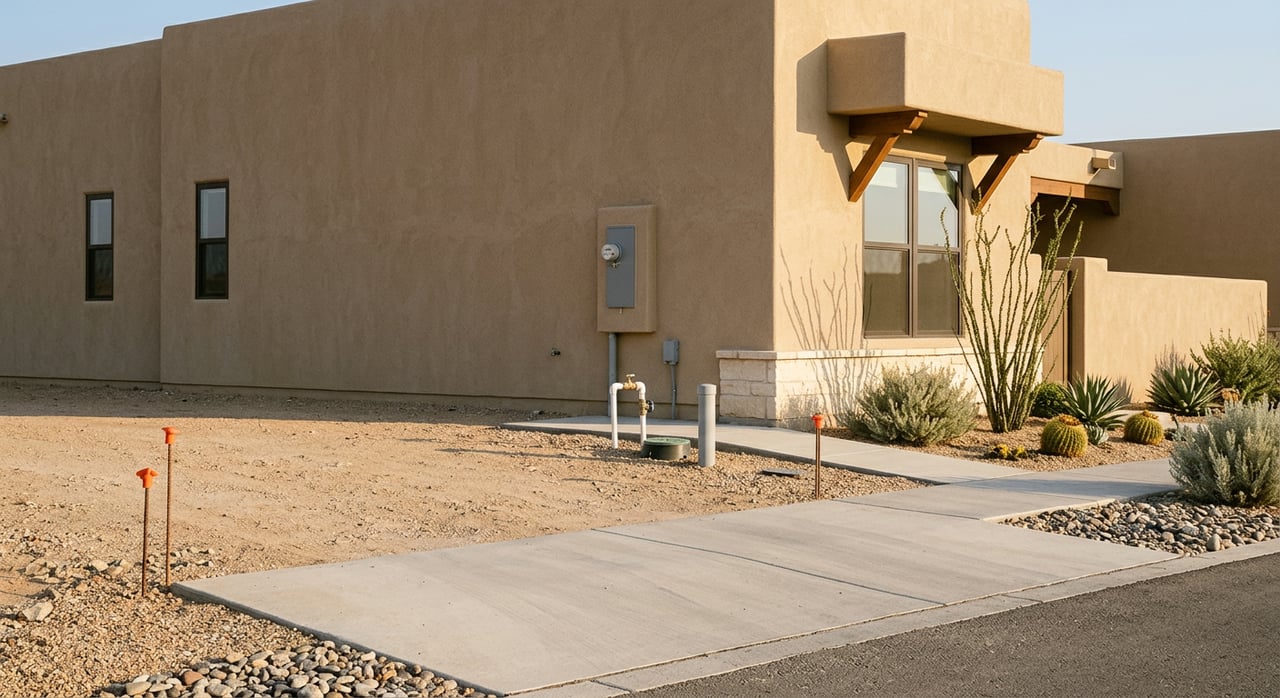
Inside Carlsbad city limits, you can usually connect to municipal water, sewer, and trash through the City of Carlsbad. In rural Eddy County, expect a mix of private wells and septic systems. Electric power in the area is provided by Xcel Energy, and natural gas service is available in many locations through New Mexico Gas Company. Start your utility due diligence with the City of Carlsbad Utilities page, then verify availability and any extension costs for your specific parcel.
Water: municipal, Double Eagle, or private well
- City water: If the land is inside the city service area, call the Water Department about service availability, meter sizing, and tap fees. Rate tables and fee schedules change over time, so always confirm current numbers with the City cashier’s office.
- Double Eagle non-potable system: The City operates the Double Eagle Water System for non‑potable uses such as livestock or certain industrial needs. If this fits your plan, review categories and contracts on the Double Eagle Water page.
- Private wells: Domestic wells in New Mexico require a permit from the Office of the State Engineer, and some basins have restrictions. Review the domestic well rules at 19.27.5 NMAC and confirm records and conditions for your exact location before you rely on a well.
Sewer or septic
- City sewer: Inside city limits, confirm sewer line locations and connection costs with the City of Carlsbad.
- Septic systems: Outside city limits, you will likely need an onsite wastewater system permitted by the New Mexico Environment Department. Soil type, depth to bedrock, lot size, and groundwater depth all affect feasibility and design. Start with the NMED Onsite Wastewater Program: Liquid Waste rules and permits.
Some platted rural lots are too small to fit required setbacks for both a well and a conventional septic system. In those cases, combining lots or using an alternative design may be necessary. Always verify early.
Power, gas, and communications
Xcel Energy is the electric provider for the Carlsbad area, and New Mexico Gas Company serves many locations for natural gas. Ask each utility about extension policies, costs, and timelines. Rural internet can vary from fiber in limited corridors to fixed wireless or satellite in remote areas, so do not assume high‑capacity service without provider confirmation.
Solid waste
The City provides trash service within city limits. Rural residents typically use county convenience stations or private haulers. Burning household trash in Eddy County is not allowed, so plan a compliant collection option from the start.
Zoning and land-use rules
What you can build depends on location. Inside city limits, the City of Carlsbad enforces the zoning ordinance, which defines districts such as Rural Residential, R‑1 and R‑2, commercial, industrial, and PUD. Review allowed uses, setbacks, and procedures in the City of Carlsbad Zoning Ordinance.
If your parcel is in unincorporated Eddy County, contact Eddy County Planning & Development about subdivision rules, floodplain requirements, and any county ordinances that apply. Confirm whether the parcel falls inside city limits or near any area that changes review authority.
Common land-use questions
- Private covenants and HOA rules: Recorded covenants can limit building types, set minimum sizes, control fencing, and spell out road maintenance. Obtain and read them. The county’s rural guide explains why private rules matter and what the county does not enforce.
- Agriculture and open range: Expect normal farm and ranch activity in rural areas. Fencing to protect landscaping or exclude livestock may be needed.
- Minerals and energy: Oil, gas, pipelines, and potash operations exist across Eddy County. Verify any mineral reservations, leases, and surface-use agreements during title review, especially if you plan to build.
Site conditions that change costs
Soil and subsurface conditions in Eddy County vary. Expansive clays, shallow bedrock, or high groundwater can make foundations and leach fields more complex and expensive. A geotechnical investigation is smart if you plan to build. Also check FEMA flood maps and local floodplain requirements, since the county may require documentation with permits. Pipelines and buried infrastructure are common in the region, so look for markers and confirm recorded easements before you design driveways or building pads. The county’s rural living guide covers these risks and why early vetting pays off: When Building in Eddy County.
Your due diligence checklist
Use this list to move from “interesting parcel” to “build‑ready site.”
- Legal access: Get the recorded plat, any access easements, and a title commitment. Verify maintenance status with Eddy County Planning & Development and compare the route to the County Road Standards.
- Boundary and easements: Order a current boundary or ALTA survey from a New Mexico‑licensed surveyor. Use the licensure board’s resource to locate professionals: NM Board of Licensure for Surveyors.
- Water supply: If inside city limits, confirm meter availability and tap fees with the City of Carlsbad Utilities. If rural, review domestic well rules at 19.27.5 NMAC and check OSE records for past permits and well logs.
- Wastewater: Ask the City about sewer availability. If septic is needed, consult the NMED Onsite Wastewater Program early to assess soils, lot size, and design options: Liquid Waste rules and permits.
- Power and gas: Contact providers about service drops or line extensions, costs, and timelines.
- Zoning and permitting: Confirm your district and allowed uses in the City Zoning Ordinance or call Eddy County Planning & Development for county procedures and floodplain requirements.
- Site constraints: Order a soils or geotechnical report if building, check FEMA flood maps, and verify any recorded pipeline or utility easements that affect building locations.
Make your Carlsbad land purchase smoother
Buying land near Carlsbad is about stacking small certainties: recorded access, verified utilities, and the right zoning for your plan. With the right questions and documents, you can avoid costly surprises and get to the fun part of designing your build. If you want a local, process‑focused partner who knows title work, county recording, and land transactions, reach out to Amanda Mashaw. Amanda pairs Southeast New Mexico expertise with practical due diligence to help you choose the right parcel and close with confidence.
FAQs
What is legal access when buying land near Carlsbad?
- Legal access means a recorded, enforceable right to reach the property, such as public road frontage or a recorded easement. Drivable paths without recorded rights are risky.
How do you connect water and sewer inside Carlsbad city limits?
- Contact the City of Carlsbad Utilities to confirm service lines, meter sizing, and tap fees. If sewer is unavailable, you will need an approved onsite system.
Can you drill a domestic well in Eddy County?
- You must obtain a domestic well permit and meet state rules. Some basins have restrictions, so check records and conditions for your exact location before relying on a well.
Who maintains rural roads to a parcel outside city limits?
- It depends. Eddy County maintains some roads, but many subdivision or private roads are the owners’ responsibility. Confirm maintenance status with the county before you buy.
Are small rural lots buildable outside the city?
- It depends on septic feasibility, well and septic spacing, and subdivision rules. Some small lots require combining or alternative wastewater designs to meet current standards.